OBT&T in Marenje: A Model of What is Possible
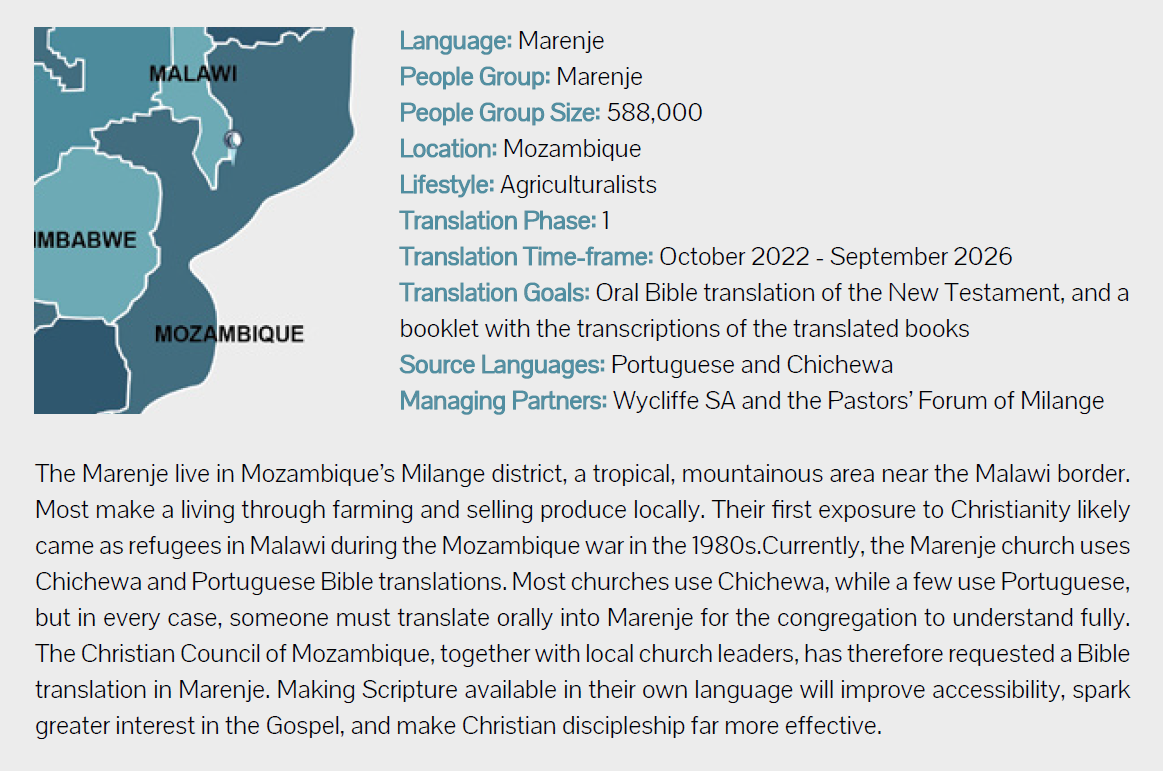
THE MARENJE TRANSLATION: A MODEL OF WHAT IS POSSIBLE
The Marenje translation is a remarkable milestone for Wycliffe South Africa (WSA). It is the first WSA programme to operate on a full-time basis with the goal of translating the entire New Testament in just five years. The project began in March 2022 and is on track to complete both the New Testament and Genesis by 2027.
This pace is extraordinary. Traditionally, it used to take not less than 10 years for a New Testament to be published. Many factors affect the speed of translation, including how well prepared the translation team is and the level of engagement and ownership within the community.
“We are learning a lot. If they finish the New Testament and the book of Genesis in five years, then we can say that it is possible. But it does not happen automatically. There are key elements that have to be put in place.” - Bonifacio Paulo, Head of Translation Services
The Marenje programme is demonstrating that rapid translation is possible when these key elements are intentionally put in place.
THE ORIGIN STORY
What is the back story behind the first meetings with the community?
The story began in 1997, when an SIL missionary couple, Jeffery and Margaret Shrum, conducted a language survey involving four languages: Takwani, Marenje, Lolo, and Kokola. Of these, three languages were later selected to move forward with New Testament translation work: Takwani through SIL Mozambique, and Lolo and Kokola through New Tribes Mission (also known as Visão Integral).
In 2006, SIL Mozambique hosted a “Discover Your Language” workshop, to which three Marenje mothertongue speakers were invited. At the end of the workshop, participants produced a workbook containing examples of different categories of grammatical issues in the language.
Although Marenje was not selected to move forward at the time, the Marenje people continued to believe that they needed the Bible in their own language. With this belief and clear dream in mind, the community sent an invitation to Wycliffe South Africa in 2021, formally inviting us to partner with them in fulfilling this dream. Following email communication and phone calls, two in-person partnership meetings were held. The first took place in August 2021 with representatives of the language community, including traditional leaders. The second was held in November 2021 with community leaders and the Milange Church Council.
Both the community and church leaders affirmed that the need for a Bible in Marenje was deeply felt— not only among Marenje speakers themselves, but also among pastors from elsewhere ministering to the Marenje.
Who was chosen as the translation team, and why? What was beneficial about this selection?
The translators were selected from within the Marenje community, as the translation committee had agreed that all translators should be mother-tongue speakers of the language.
This approach encouraged both the community and the translation committee to take full ownership of the translation programme. In practice, this meant that the community became the primary driver of the work, while Wycliffe South Africa served in an advisory role.
Who is part of the Steering Committee, and how has that shaped the culture of translation?
The Steering Committee consists of the programme coordinator and six church leaders from different denominations. This structure has helped keep the programme community-oriented rather than institution-driven. As a result, the project aims not only to provide the Bible in Marenje, but also to address broader areas of community life and development.
What helped create community buy-in and local ownership??
From the beginning, the community must be given the opportunity to make decisions about the fulfilment of their vision. One common mistake translation agencies can make is focusing on funding too early in the process. The community should first reach a point where they can say, “With or without money, we will fulfil our dream.”
WHAT MAKES OBT&T EFFECTIVE IN THE MARENJE COMMUNITY?


In addition to that, there is the quality of leadership among the team members. The leader is not there simply to tell everyone what to do, but to influence and encourage all the team members to participate and engage.

The third element is closely connected to this sense of ownership. The entire Marenje community — including the churches, traditional leaders, and government leaders — has embraced the programme.
A HOLISTIC APPROACH
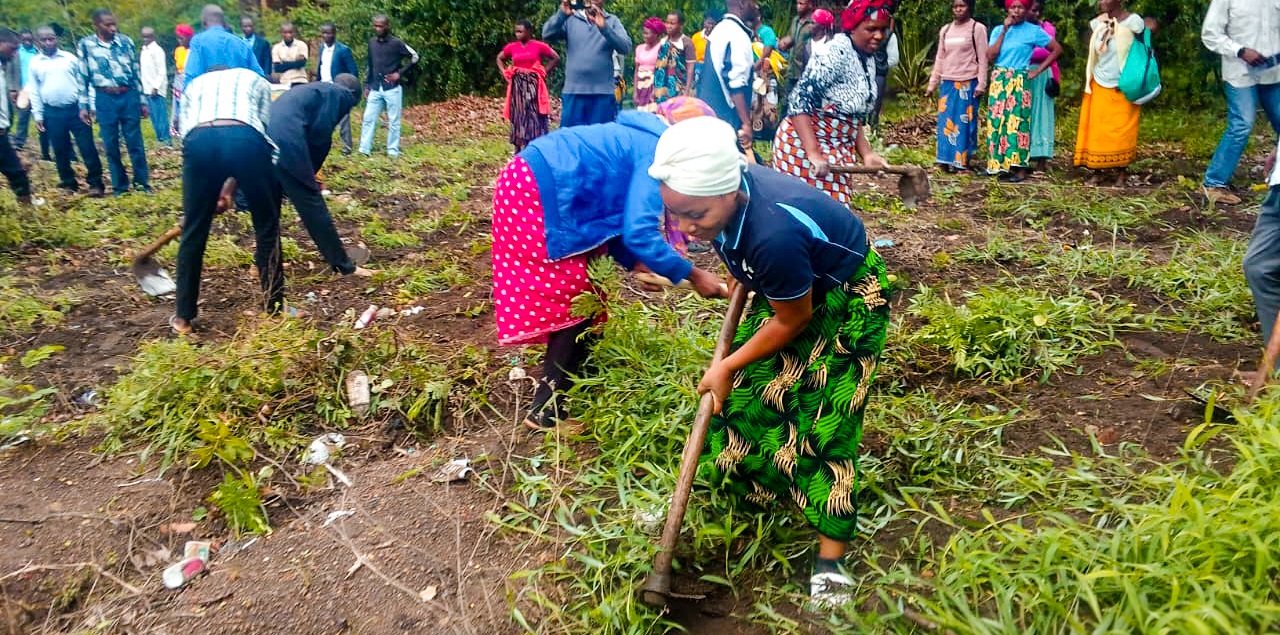
Importantly, the Marenje have embraced OBT&T as a holistic approach— one that includes Scripture engagement, community development, and language development. Instead of asking for the Bible as a stand-alone product, they have placed it at the heart of community transformation. They talk about the Jesus Film, Farming God’s Way, and many other elements connected to the core foundation, which is Scripture.
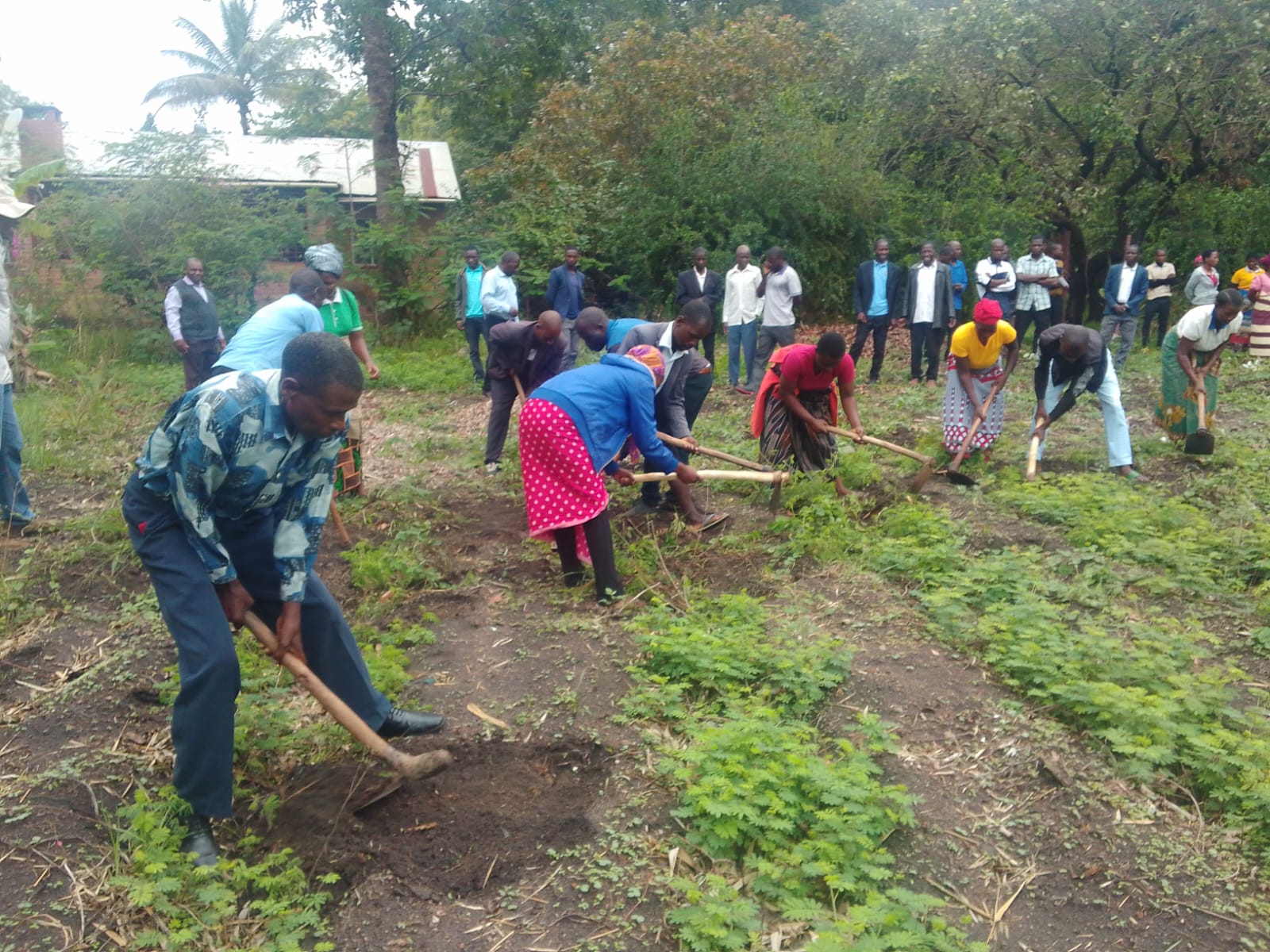
In this way, the work extends beyond translation and Scripture impacts the broader life of the community. An example is the Farming God’s Way training, which has been enthusiastically adopted and looks set to multiply throughout the community:
“First of all, is that as Marenje people, our main activity, we live out through agriculture. But many times, we have some difficulties... We plant much and we sow a little bit. This was happening because of the methodology that we used to do our agriculture. So, the coming of this training of Farming God’s Way will greatly help us. All the pastors, all the members of the 20 listening groups, when they go back to their places, their groups, they also bring together their groups and teach them how to do Farming God’s Way. Which means that this training of two days will be beneficial for thousands and thousands of farmers here in the Milange.“
- Pastor Joao Alfazema
This holistic approach ensures that Scripture is not only translated, but lived out in practical and transformative ways.
LISTENING GROUPS
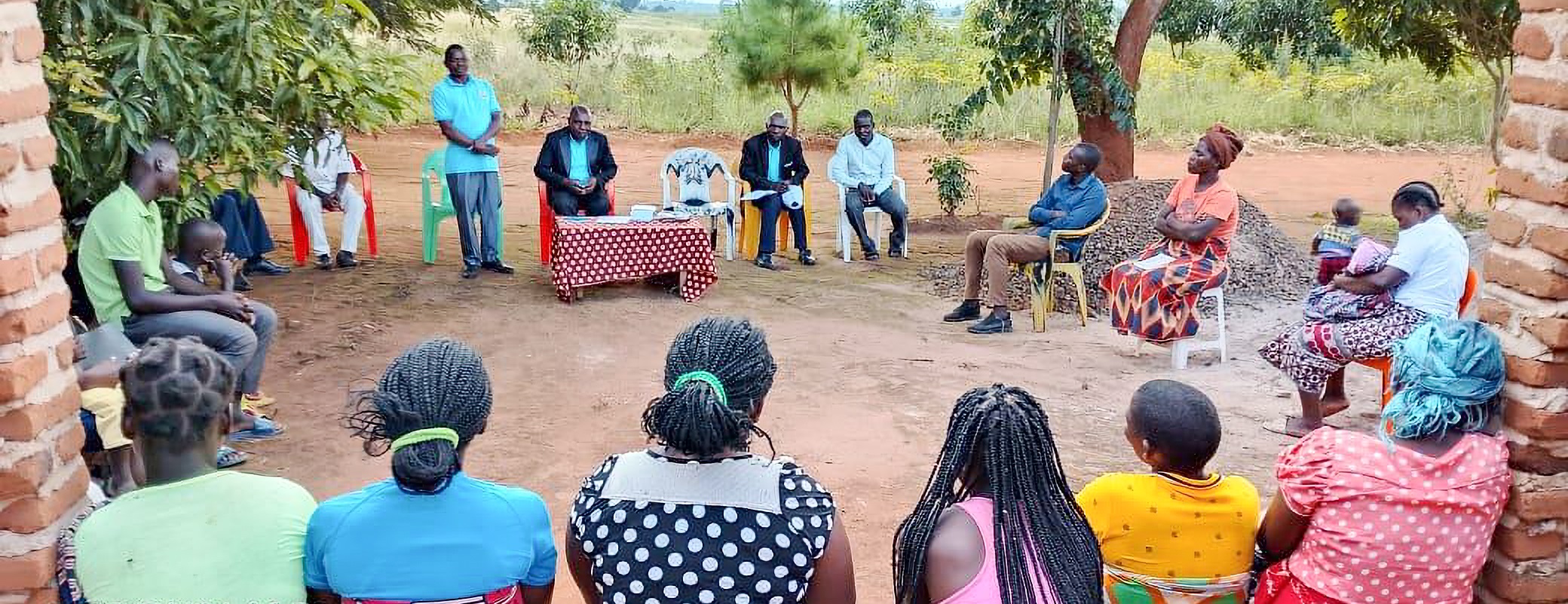
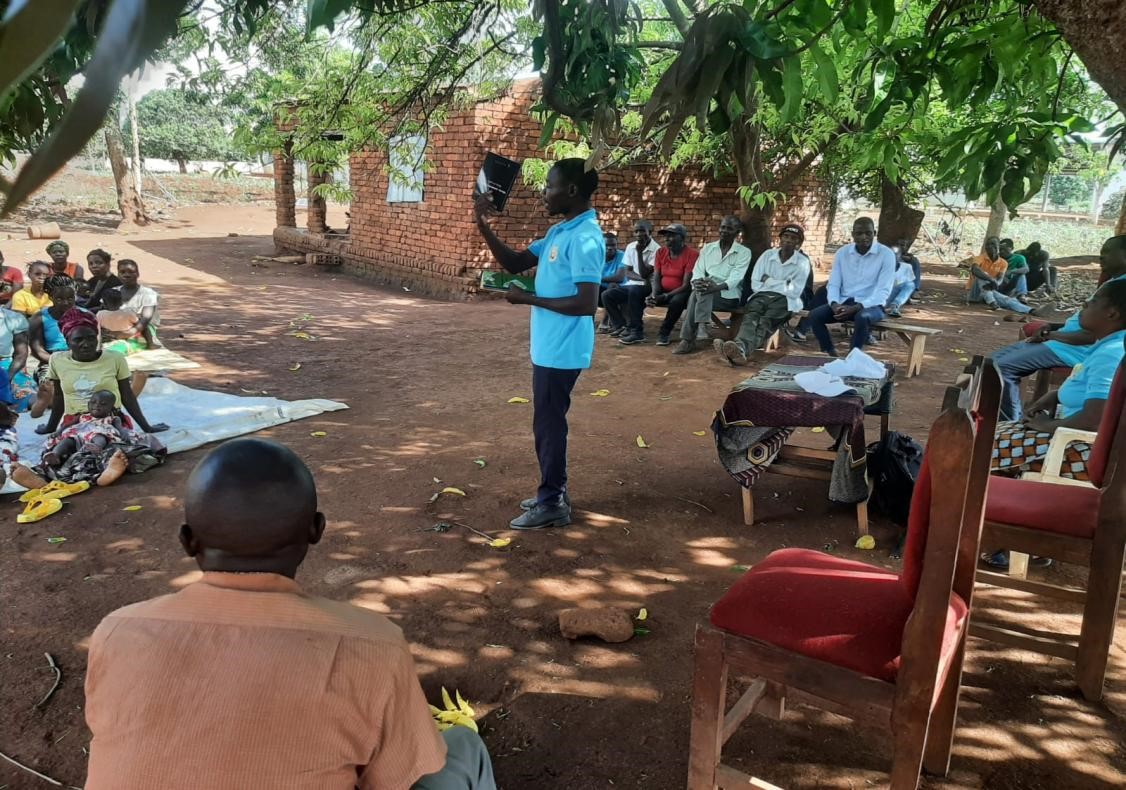
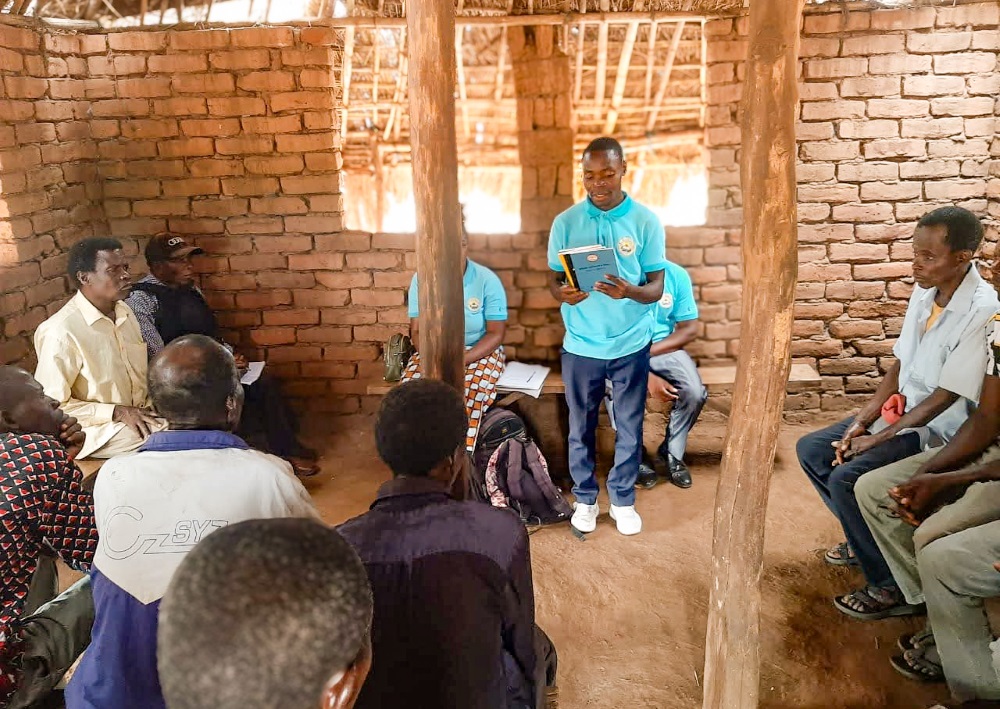
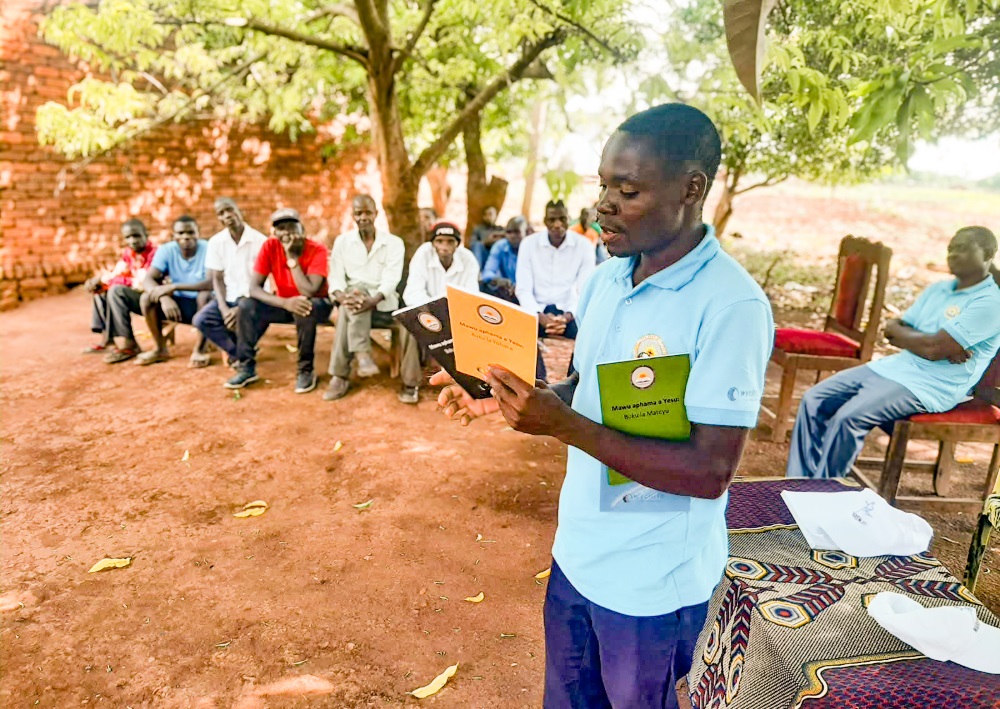
The Marenje community has asked for and use both audio and written Scripture. However, as a primarily oral culture, there is a strong response to the audio Scriptures and listening groups have been set up to hear and engage with the Word.
During the listening sessions, group members hear the Word of God through Bible stories told by a member of the listening group. After hearing the Word of God, the members discuss the impact of the Word they have heard, reflecting on their personal and spiritual lives and on God’s love in their lives. After the listening session, members share God’s Word with others in their families, churches, and society at large, so that all may come to recognise Jesus Christ as their Lord and Saviour.
Some of the practical responses from the listening group members include showing love and praying for one another, contributing food and other small necessities to help the elderly and people who suffer from chronic illnesses, visiting and praying for the sick, weeding the fields of the elderly people, helping one another in times of hardship, cultivating fields in accordance with ‘Farming God’s Way’, and more...
To date, the Marenje programme has 20 active listening groups.
These groups are one of the most visible expressions of community ownership and demonstrate how translated Scripture is already shaping daily life.
LANGUAGE DEVELOPMENT IN MARENJE
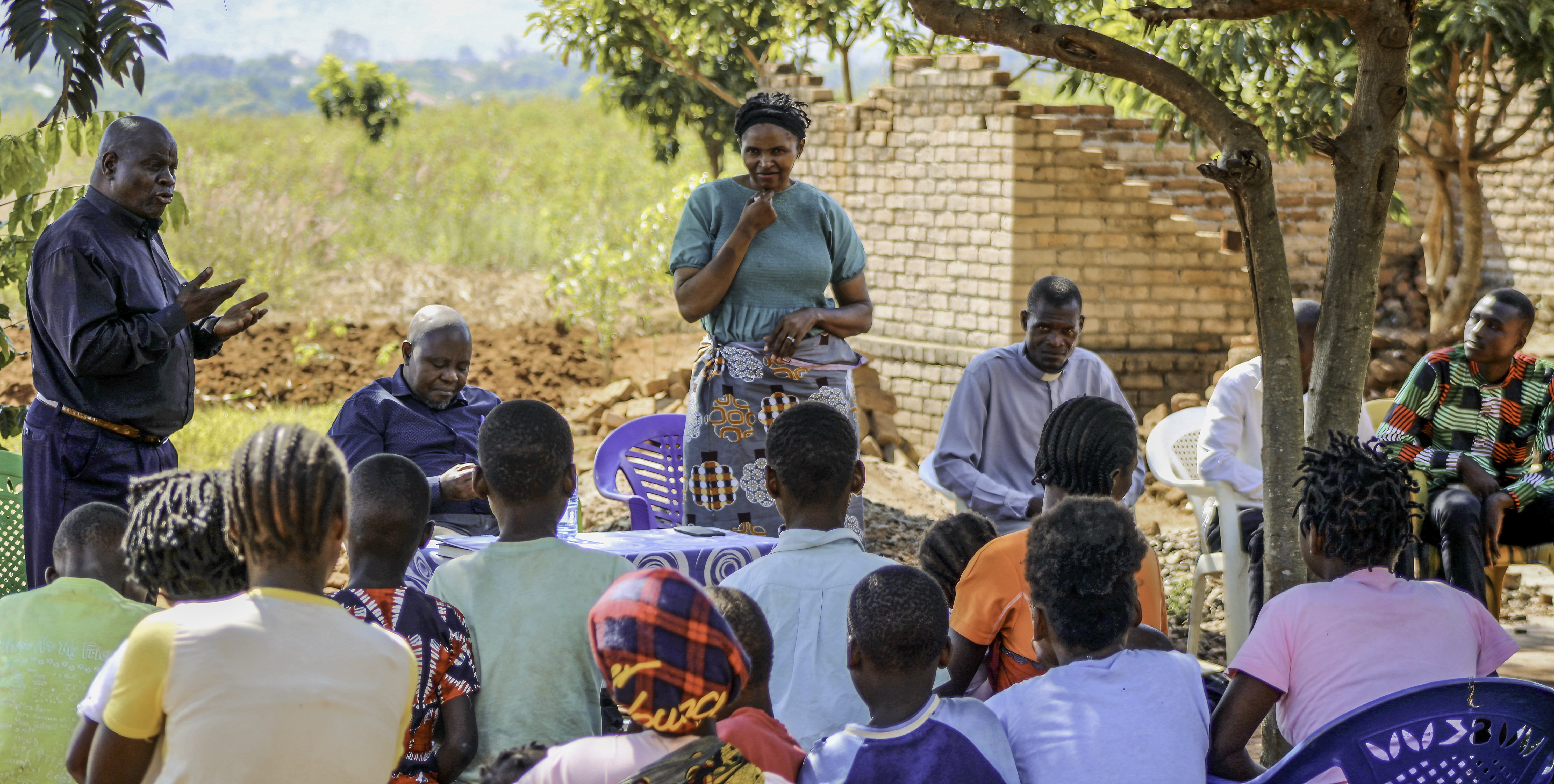
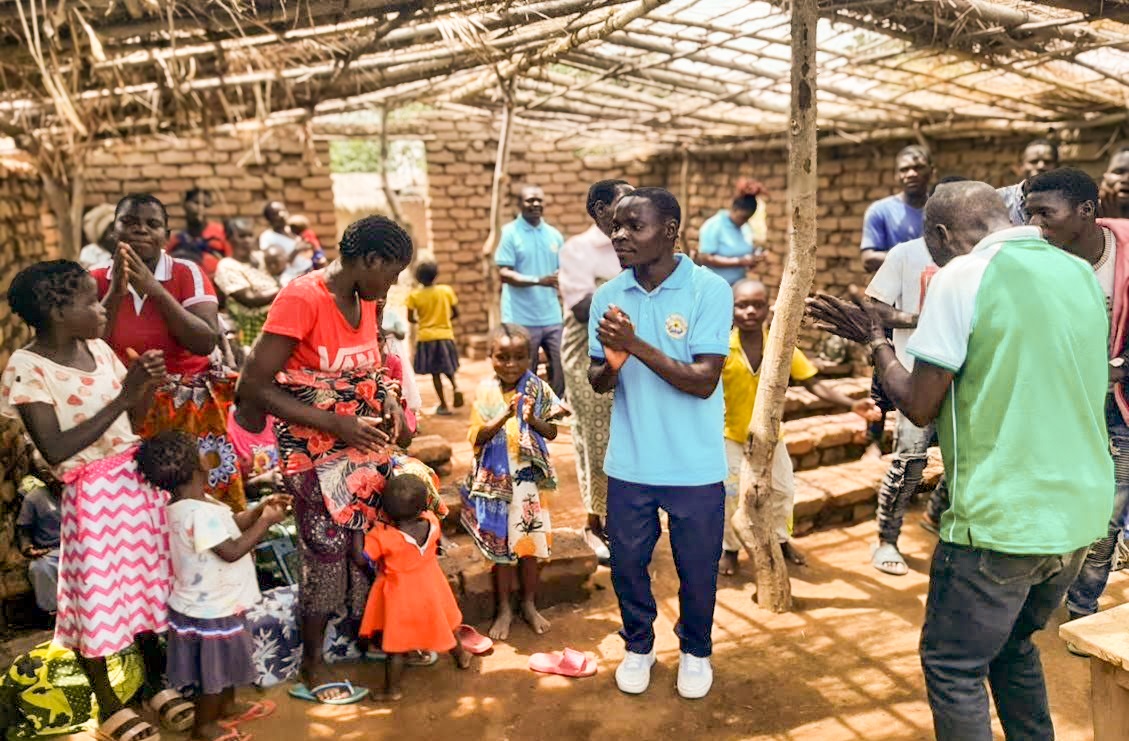
I will never forget the day we met with the Marenje community and their chief, before the programme began. Almost every member appeared emotional; they looked desperate and hopeless. They deeply desired a sense of belonging. OBT&T has naturally brought about a sense of minority language development. When the translation work began, Marenje had no written literature. I remember when the team transcribed the first recorded episode, Pastor Alfazema said, “This is our first literature in history.”
Above all, Marenje has become one of the most successful OBT&T projects. In terms of language development, the team and community have followed the Participatory Language Discovery approach, known in Portuguese as Descoberta Participativa das Línguas. In this approach, the team and other community members explore their language together. It combines language learning, linguistic research, and data modelling. This method replaces the traditional approach, in which a non-speaker of the target language would collect data, analyse it independently, and then present the findings to speakers of the language.
Instead, speakers of the target language actively build vocabulary and grammar by discussing real-life social themes and issues affecting their communities. Language is treated as a tool for expressing perspectives and creating social awareness, rather than simply as a set of rules to memorise.
The Marenje speakers have developed vocabulary lists covering everyday language and categories such as numbers, months, household items, sicknesses, food, family members, professions, transport, clothing, agriculture, and animals. Using these lists and transcribed texts, they have identified their alphabet. For example, they do not use the letters X and Z. In addition, they have demonstrated an understanding of parts of speech through analysis of the transcribed texts. The team has also identified their singular and plural forms.
There is still much more to be discovered through the translated texts. The linguist does not simply extract language data; instead, she acts as a facilitator, helping community members document their own language, create dictionaries, and develop orthographies (writing systems).
OWNERSHIP THROUGH TYPESETTING
Laying the groundwork
The preparation for typesetting the translated Marenje Gospels was an important first step in producing Scripture materials that are accessible and meaningful for the Marenje-speaking community. Before beginning the typesetting process, I worked with the translation team to discuss key decisions that would shape the final product and ensure that it reflected both practical needs and local preferences. For example, we decided to produce separate booklets for each Gospel rather than a single combined volume, and chose the title “The Good News of Jesus – Mawu aphama a Yesu” for the covers. We also agreed on an A5 booklet format, colour-coded covers for each Gospel, and a simple design without images, appropriate for a first draft edition. These discussions laid the foundation for a clear and culturally relevant publication process, marking a significant milestone in moving the Marenje Gospel translations from manuscript form toward printed Scripture resources.
Editing the Drafts
I was in communication with João Alfazema, the coordinator of the Marenje translation team at the time. I asked that he gather Marenje speakers to proof read the first draft, looking at spelling, punctuation, titles, and paragraphs. His response was, “We will select 12 people, including pastors and academics who are native speakers of the Marenje language, to conduct a careful reading and correction as soon as possible.” (8th August).
They very diligently went through every word and every verse of all four Gospels, giving me corrections and requests. After they returned the first draft, I had a few more questions about spelling and meaning (see below), but soon was able to send the second draft.
As we went through the process, João said things like:
“Thank you very much for your patience and concern, so that the Marenje people may have the blessing of reading and understanding God’s word in their own heart language.” (9th August)
“Let us pray that God may bless us with these books.” (27th August)
“Thank you so much to all of you who tirelessly work day and night so that the Marenje people may have the blessing of reading and understanding the word of God in their own heart language.” (28th August)
Finally, in his last email on 28th August, João confirmed, “You can print the books, everything is correct!” So, we sent them off to the printers.
Spelling Irregularities
The team of Marenje speakers picked up most of the spelling irregularities. However, whilst typesetting, I still came across a few examples where words looked very similar but with slightly different spellings. I would then check with João and his team of Marenje speakers whether the variations had implications for meaning, or whether they were actually the same word with spelling variations. If they were the same word, I asked which spelling they would like to choose. The team were grateful that I had spotted their spelling variations and quickly let me know which was their chosen spelling. For example:
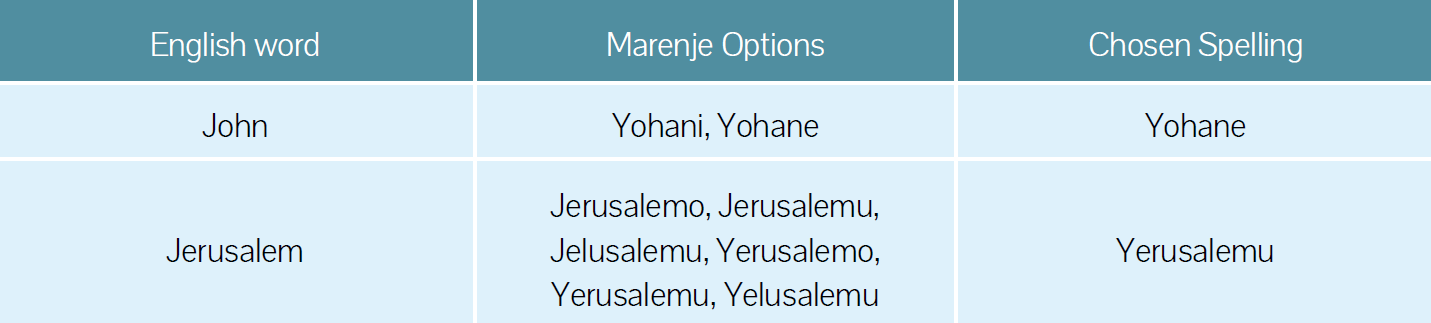
There were also examples where the slightly different spellings did change the meaning. For example, “akhala - aakala - akala”, and “phama - phaama”. In each case, I made sure to check with the Marenje team what they wanted, because it’s their language. They were grateful that I had asked, but they told me that each word did have a different meaning and often a different pronunciation too. In these cases, it was important to keep the variations as they were.
Run for the Bibleless and Scripture Dedication Event
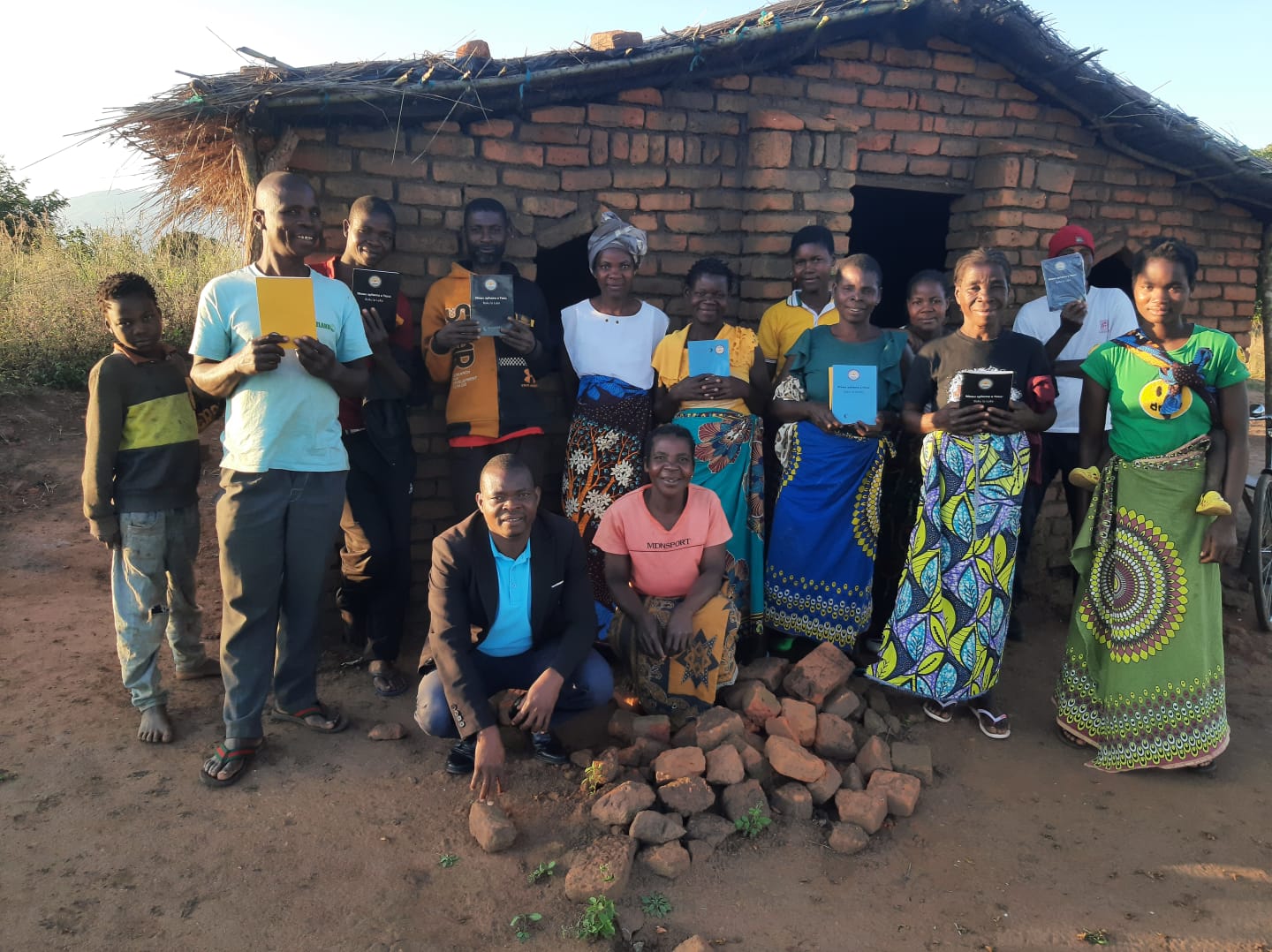
At the first Marenje Run for the Bibleless event on Saturday, 21 September 2024, Mesuli Tshele took the books to be dedicated and distributed. Eighteen government officials attended the dedication, including the governor of the Zambezia province, where the Marenje people live. When given the opportunity to speak, he remarked that he “cannot believe that God had thought about them, as marginalised as they are, and unrecognised and looked down upon. God thought about them. He used some random organisation in SA (WSA) to show them his love for them, that God’s message is also relevant to the Marenje people.”
The Queen of the region also said, “You have no idea of the impact this project is having in the communities, the changes it’s bringing, the excitement and pride. I cannot wait for the full Bible in Marenje.”
Conclusion
After the dedication, books were distributed among the Marenje community for testing. These were first drafts of the newly translated Gospels in Marenje. The translation team didn’t have the final say, they wanted to hear from their people. So, the team made sure over the coming months to get feedback from different members of the community to make sure everyone was happy.
This whole process gave the team, and eventually the wider community, autonomy. No longer were they being told by outside cultures how to act, speak, or spell. They had ownership of their own language; they had control over their own words.

Regarding the Marenje Bible, since the war ended, we’ve been using the Chichewa or Portuguese Bible, which aren’t our native languages, making it difficult to fully understand God’s Word. But with this Marenje Bible, I hope I’ll understand God’s Word better.
Marenje Community Member
The practice we have when we meet together as a team, to have daily devotions and pray together, I have brought in my own home. As a family, we now have regular Bible studies. This is strengthening our faith, as we stand firm in what God promises. The work we do has also given me a heart for my community. I am now involved in social relief initiatives to help those in need in our community
Carlitos, Marenje Translation Team
First of all, I want to praise God who established the Bible translation programme into the Marenje language. This programme has greatly changed my spiritual life because before, I could only read the Bible for a limited time with verses of my choice and repeatedly the same chapters that I knew well to preach, and this was not enough because I could not read other parts of the remaining books of the Bible. Therefore, there is a great change in my knowledge of God’s Word, because every time I read chapter by chapter, I am discovering many secrets that I never had and that have greatly helped in spiritual growth, not only to live according to the Word, but also to live in the translation group according to the Word of God. In my family, we have experienced great development in spiritual growth because of the time spent in Bible study that we have been doing, thus transforming the family into a model of God’s Word.
Samuel Reginate Matunda
I want to thank God who has put in people’s minds the idea of valuing our language, especially the idea of having the Bible in our own mother tongue. I am very happy with this programme because we are understanding it well and so salvation is on our side. A long time ago our language was unknown and others said that it is a language that does not have written according to their knowledge, and now I am happy and I can die peacefully because I saw and picked up a part of the Bible written in my own language, the language of my people, the Marenje language. Finally, I want to place this programme with all its leaders in the hands of our good God so that it may enlighten, guide and give health to each one of those who work day and night so that this Bible is published. And without forgetting those who are praying all the time, supporting this programme to achieve its goal.
Pedro Alberto Simete, King in Balala
I thank God for being part of this meeting, because through the scriptures that were translated into four Gospels, which we read today, I discovered many words written in the Bible that a long time ago it was difficult to understand because of other languages that the Bible was translated in. But with this initiative of translating the Bible into the Marenje language, I am very happy to hear and see the Word of God in my mother tongue, because it makes it easy to understand the Word of God. Through these scriptures many souls will be recovered for the Kingdom of God, because most of the Marenje people are lost for not perceiving the Word of God well, because of the language that the pastors use in the preaching in different areas. That is why I strengthen and ask God to bless the translation group so that this work can spread throughout the community of Milange.
Eduardo Duarque, Church Elder
First of all, I praise God for this initiative, because since the time of the war we have never heard the word of God in our own Marenje language, since most of the people lived in Malawi at the time of the war. Hence the Marenje language was devalued, saying that the Marenje language was not written, so it was not a language. In this way the Word of God was preached in other languages to the Marenje people, making it difficult to perceive the Word of God. And today I am very happy to hear the Word of God in our own Marenje language. That is why I thank God for this translation programme and I ask God for this work to go further so that one day the Marenje people will have a complete Bible, and it will be spread in all the communities of the district of Milange so that all speakers recognise the greatness of the Kingdom of God. And be saved.
Joaquim Manuel Francisco- Chief of Tengua Community
CONCLUSION
The Marenje translation is more than a fast-moving Bible translation project. It is a compelling example of what can happen when a community takes ownership of God’s Word, strong leadership encourages participation, and Scripture is integrated into every aspect of life. Through holistic ministry, active listening groups, and transformed lives, the Marenje programme is showing that Bible translation can be both efficient and deeply transformative. As the project moves toward completion in 2027, it stands as a powerful testimony that when the right elements are in place, it is indeed possible to translate Scripture quickly and see lasting impact throughout an entire community.