
A Land of Beauty: God’s Word is Taking Root Among the Himba
By Lenthia Erasmus
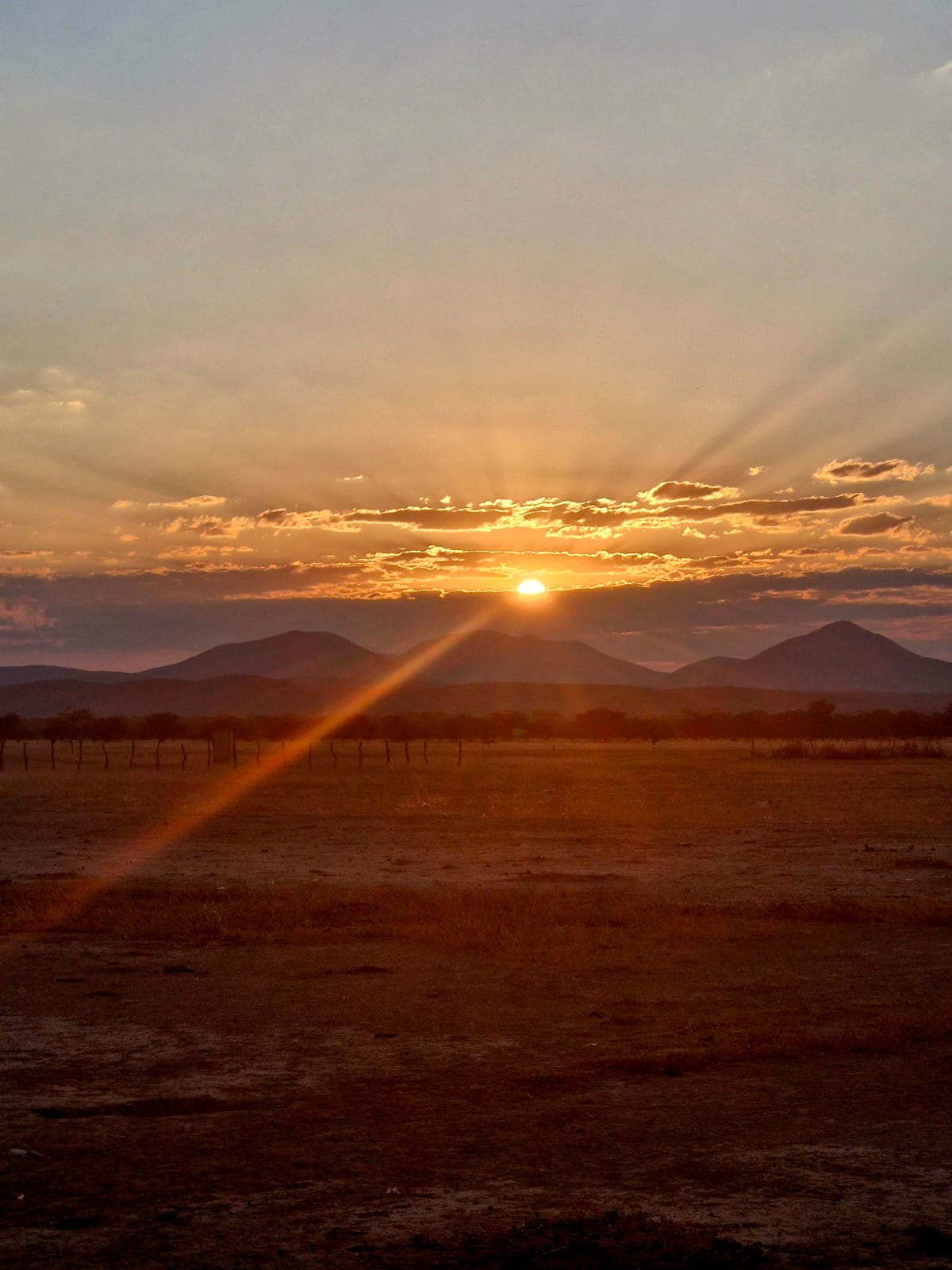
Namibia, with its wide horizons, dramatic landscapes, and resilient people, is a country where beauty and hardship live side by side. It is also a place where God is writing a powerful story of hope—especially among some of its most remote communities, like the Himba people in the far north.
The Himba are a semi-nomadic group living primarily in the Kunene Region, near the border with Angola. Famous for their red ochre-covered skin and traditional way of life, the Himba have preserved their customs for generations, remaining largely untouched by the rapid changes of the modern world.
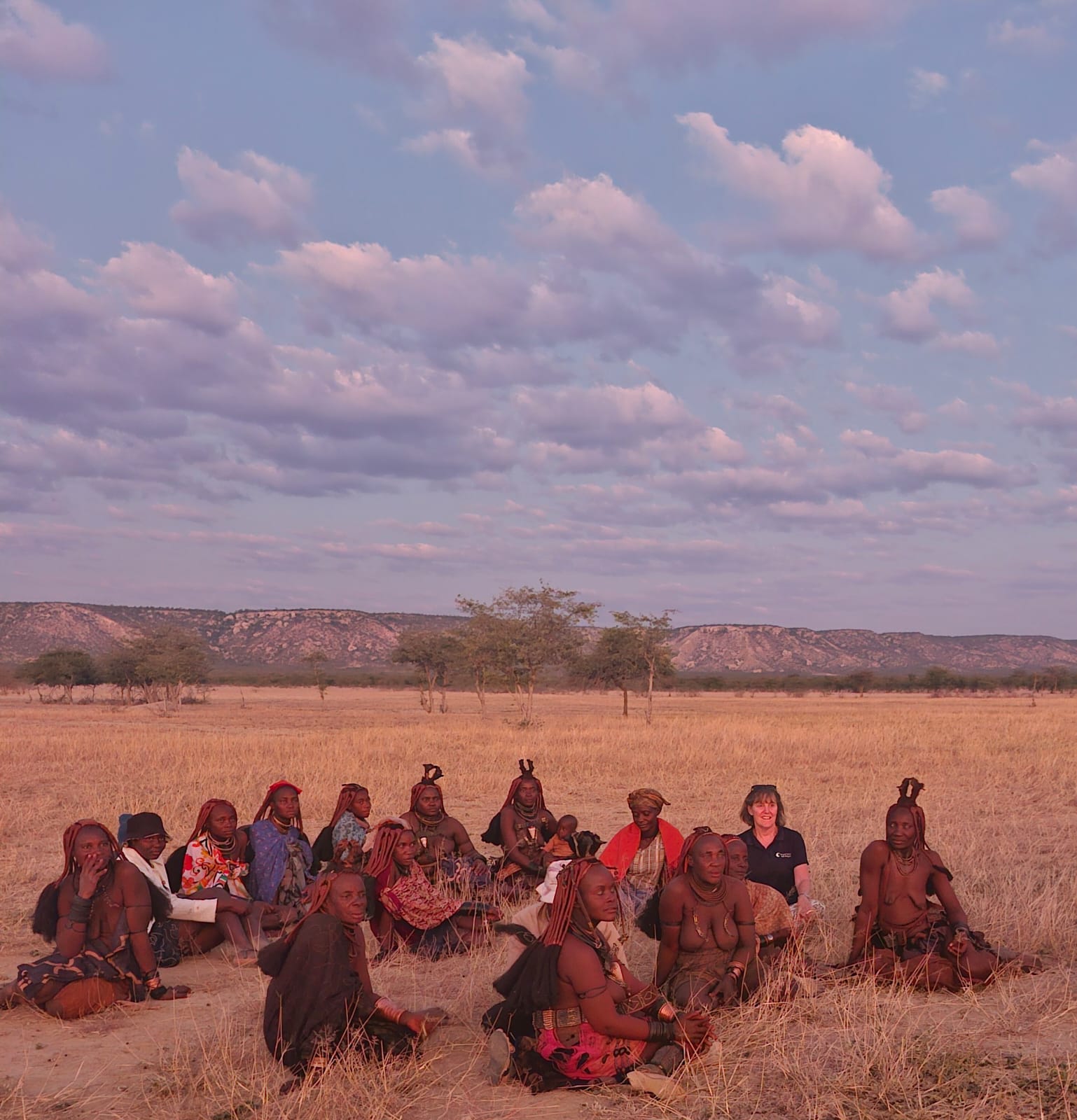


In June, a team of four members from Wycliffe South Africa had the privilege of visiting the Himba Bible translation team in Opuwo. It was a joy to meet the translators, witness their dedication first-hand, and experience their day-to-day work as they diligently strive to bring the Scriptures into the Himba language. We were also blessed to pray with them—for strength, healing, and for God to bless the work of their hands. Several powerful testimonies and stories were filmed and shared during the visit.

This work is not just about translating words—it is a ministry of presence, patience, and partnership. Bible translation is a long and complex journey, taking many years. It requires close collaboration with native speakers to ensure that the message of God’s Word is clear, accurate, and speaks naturally within the Himba cultural context.
Translating the Bible for the Himba is no small task. The region is remote, with limited infrastructure, and many Himba still live far from towns and formal education. The language itself, Otjihimba, is not widely written, so part of the process includes developing consistent spelling and grammar standards. Despite these challenges, the rewards are eternal.
Already, portions of Scripture - Genesis, Luke, Mark, Romans, Acts, Hebrew and 1 & 2 Timothy - have been translated and are being shared through oral storytelling, audio recordings, and community listening groups.
When Himba men, women, and children hear God’s Word in their own language for the first time, many are visibly moved. Suddenly, the message is not foreign—it is theirs.
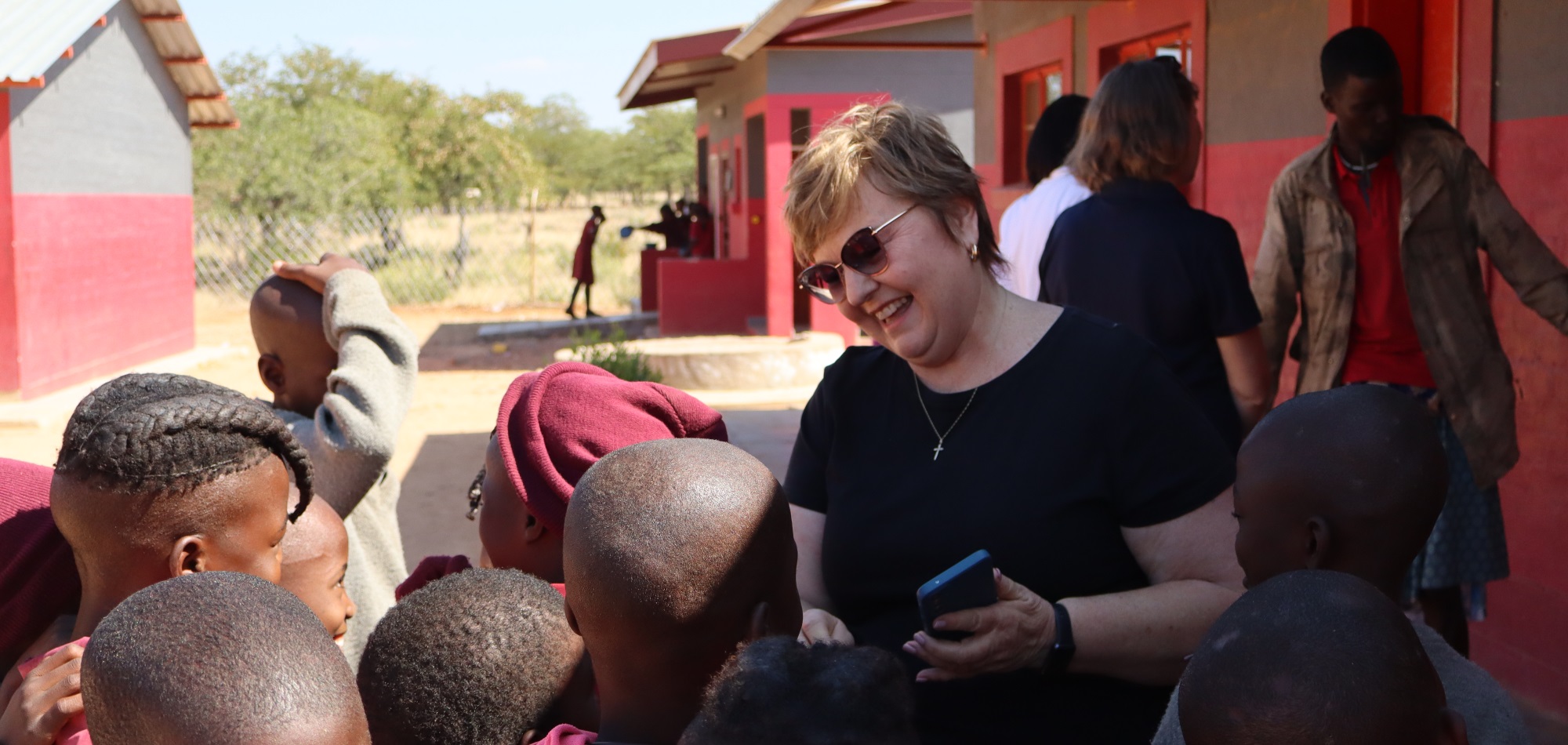
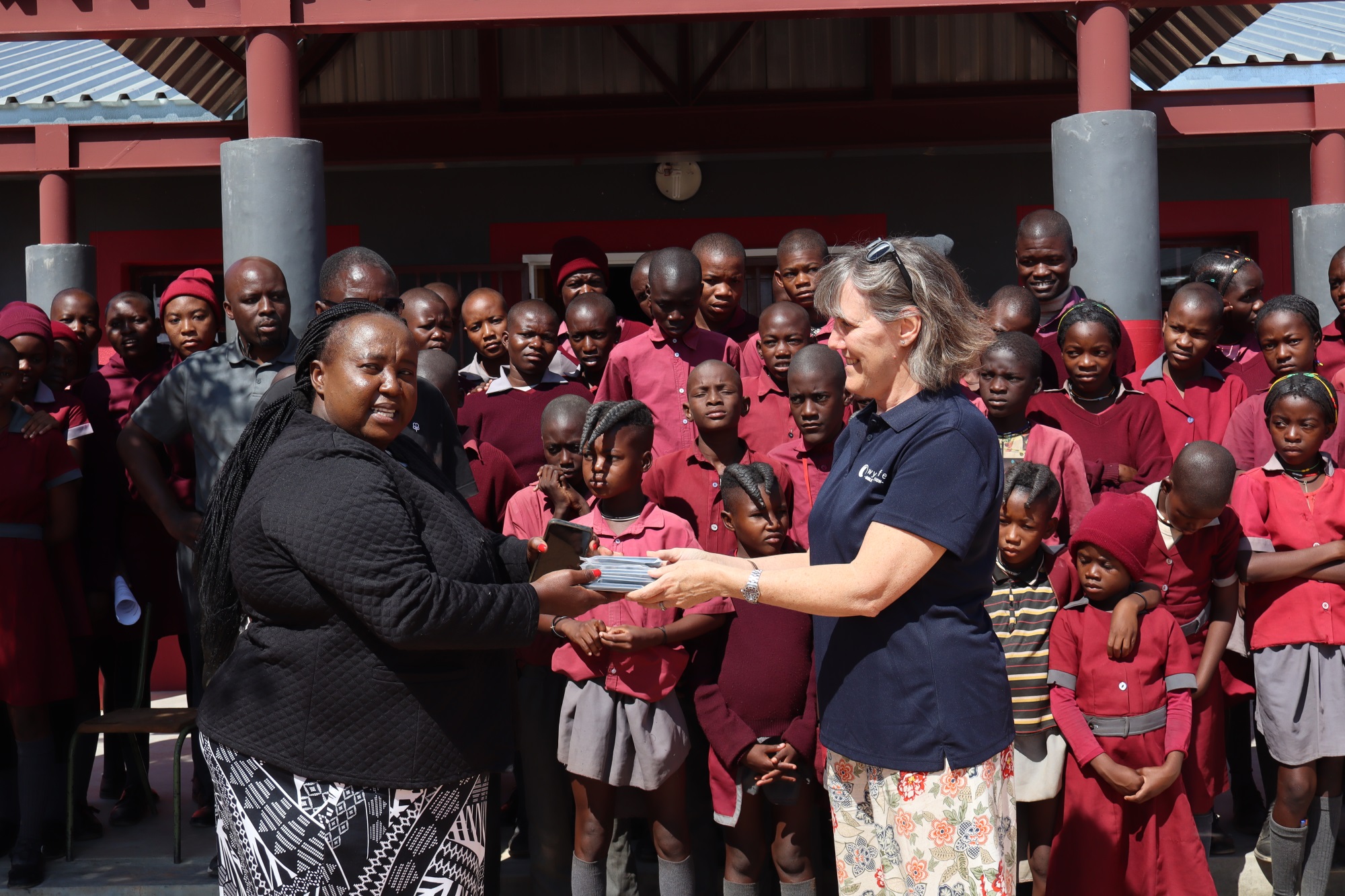
One of the highlights of our trip was distributing audio Bibles at Muhonga Combined School, where the headmistress, a believer, committed to playing the Bible for Himba learners in class. We also had the joy of giving an updated audio Bible to a pastor who lost his sight ten years ago—empowering him once again to preach and teach the Word of God.
This work cannot progress without prayer. Bible translation is not only linguistic—it is deeply spiritual. The enemy opposes efforts to bring light to dark places, and the translation teams often face discouragement, illness, and spiritual warfare. Yet God is faithful, and the prayers of believers around the world continue to uphold and sustain this mission.

The vision is clear: a full Bible in Otjihimba. But even more, the dream is of a thriving Himba church, rooted in Scripture, growing in faith, and equipped to disciple others in their own communities.
May the Word of God continue to take deep root in the hearts of the Himba people and bring transformation to all the communities.


